Augusta National's Clubhouse: Built for Peaches, Grown for Golf
In 1859, Dennis Redmond's farmhouse was featured in an architecture manual. His floor plans show a fruit room, a dairy, and an ice-house. No trophy room, and no Crow's Nest. Today that farmhouse hosts the Masters, and the best golfers in the world compete for a silver replica of it.

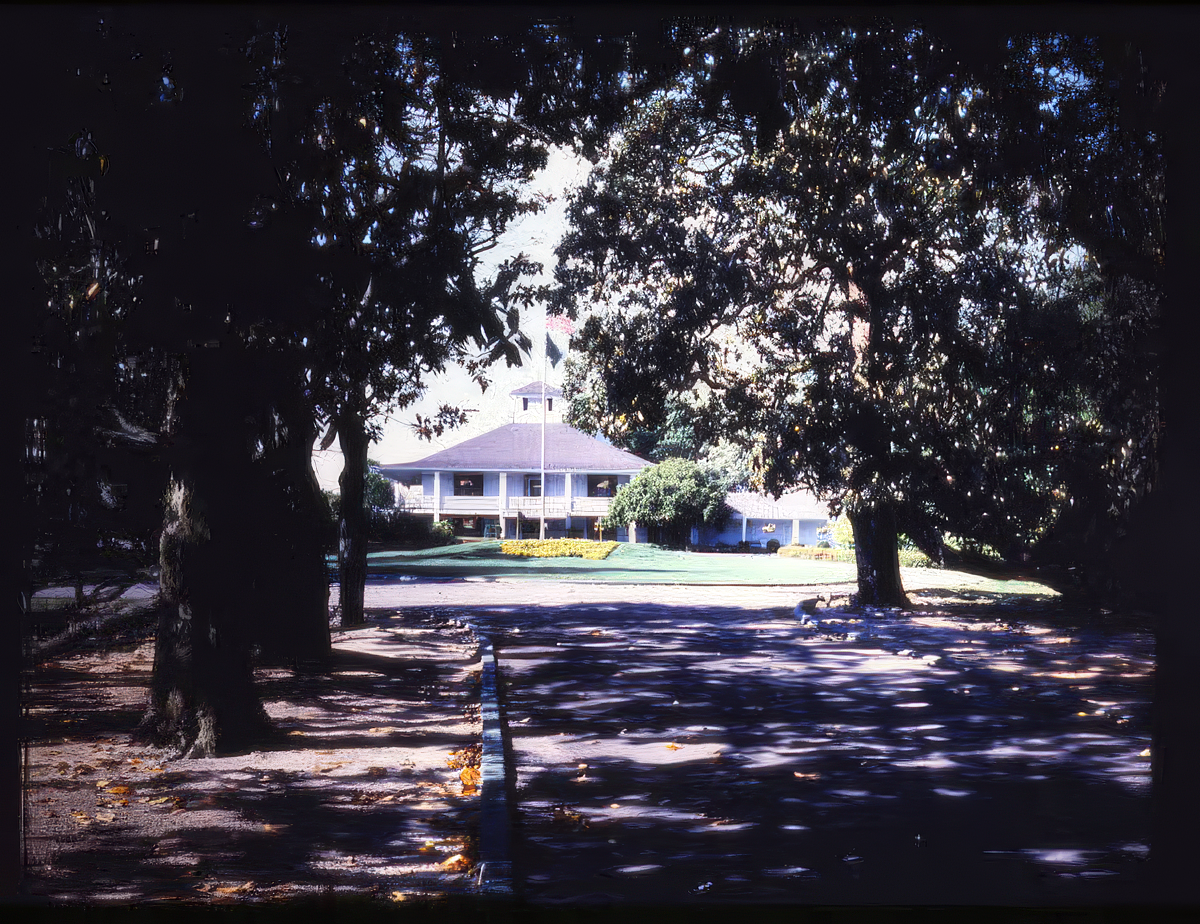
Best Clubhouse's Augusta National Clubhouse Tour
By The Book
In 1853, Irish-born horticulturist Dennis Redmond purchased a 315-acre parcel of land in Augusta, Georgia that he called Fruitland. He thought it was a perfect location to grow apples, strawberries, and peaches.
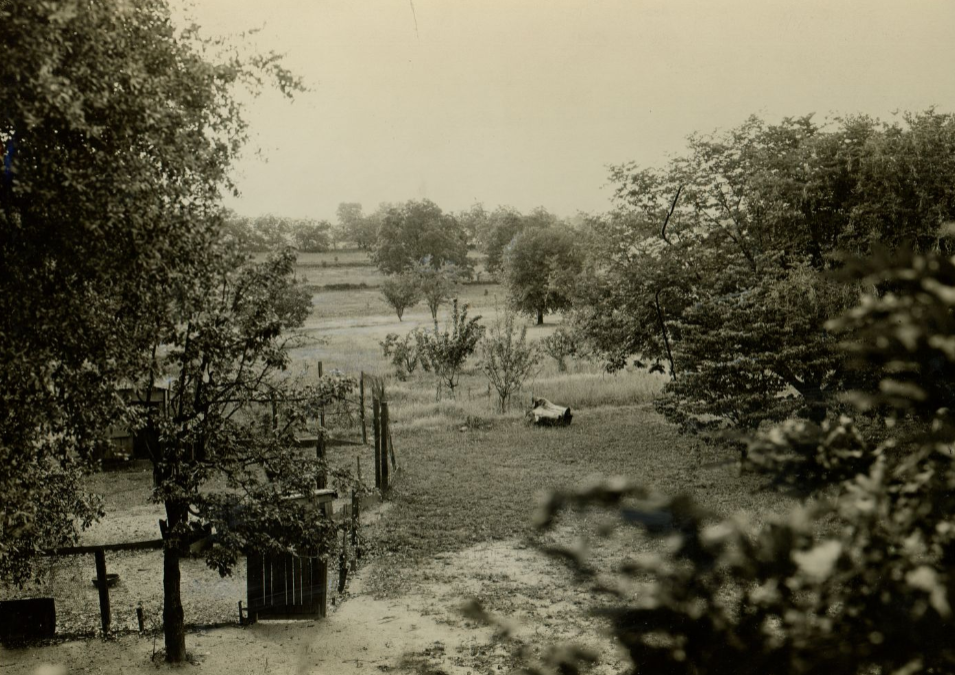
Being Irish-born didn't stop Dennis from forming strong opinions about Southern living. Dennis Redmond had three requirements for a Southern home: "ample space, shade, and ventilation." When he designed the cottage on his farm in Augusta, Georgia, he unwittingly built a structure that would become a sacred shrine to the game of golf.
In 1859, Dennis and his simple farm cottage were featured in the book The House: A Pocket Manual of Rural Architecture; or, How to Build Country Houses and Out-Buildings by Daniel Harrison Jacques.
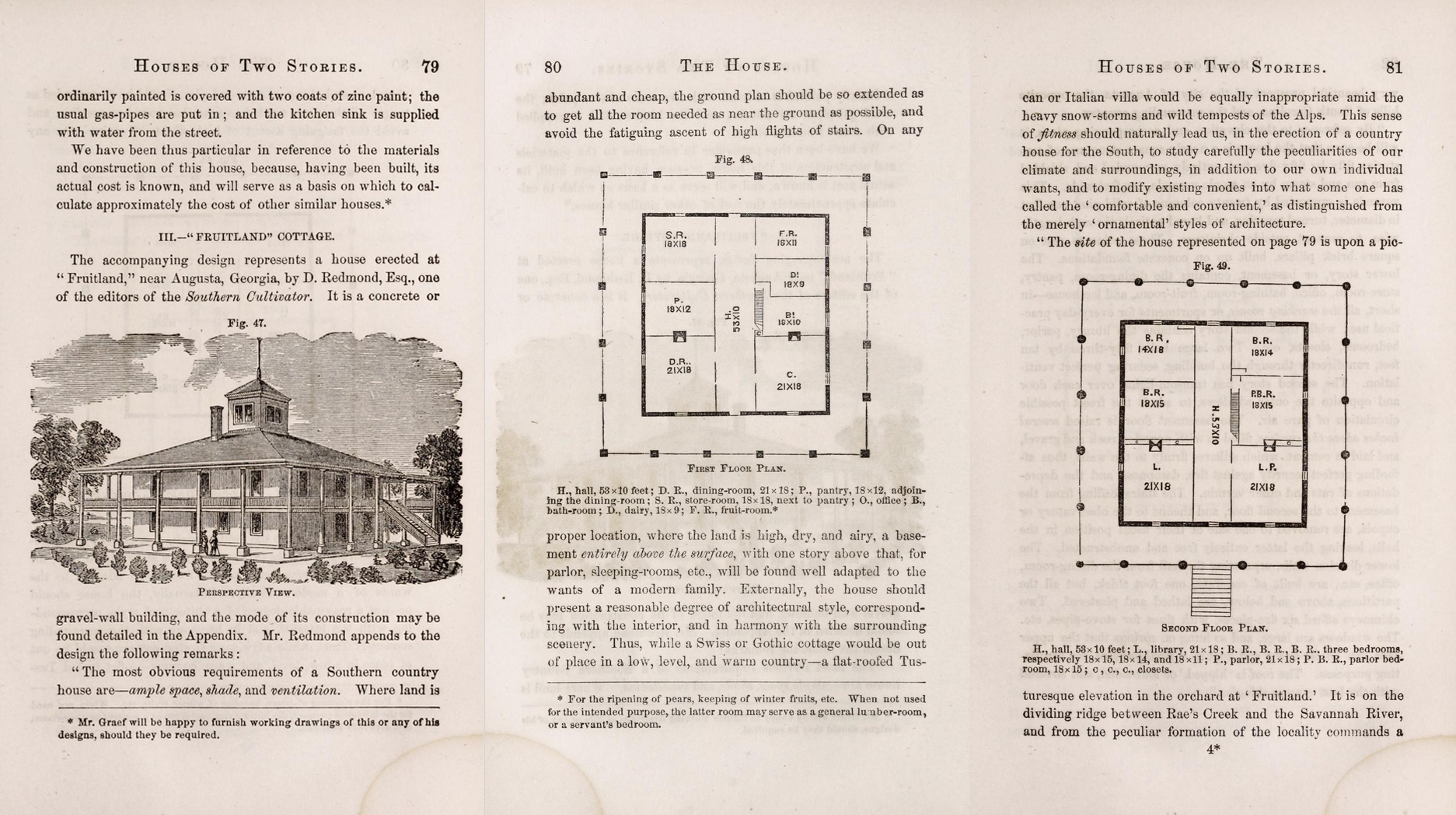
Credit to alexinspired.com for surfacing the book and the archive.org resource.
Dennis contributed his floorplan and insight to this book in order to help other farmers reproduce a simple, efficient, and dependable cottage on their own properties.
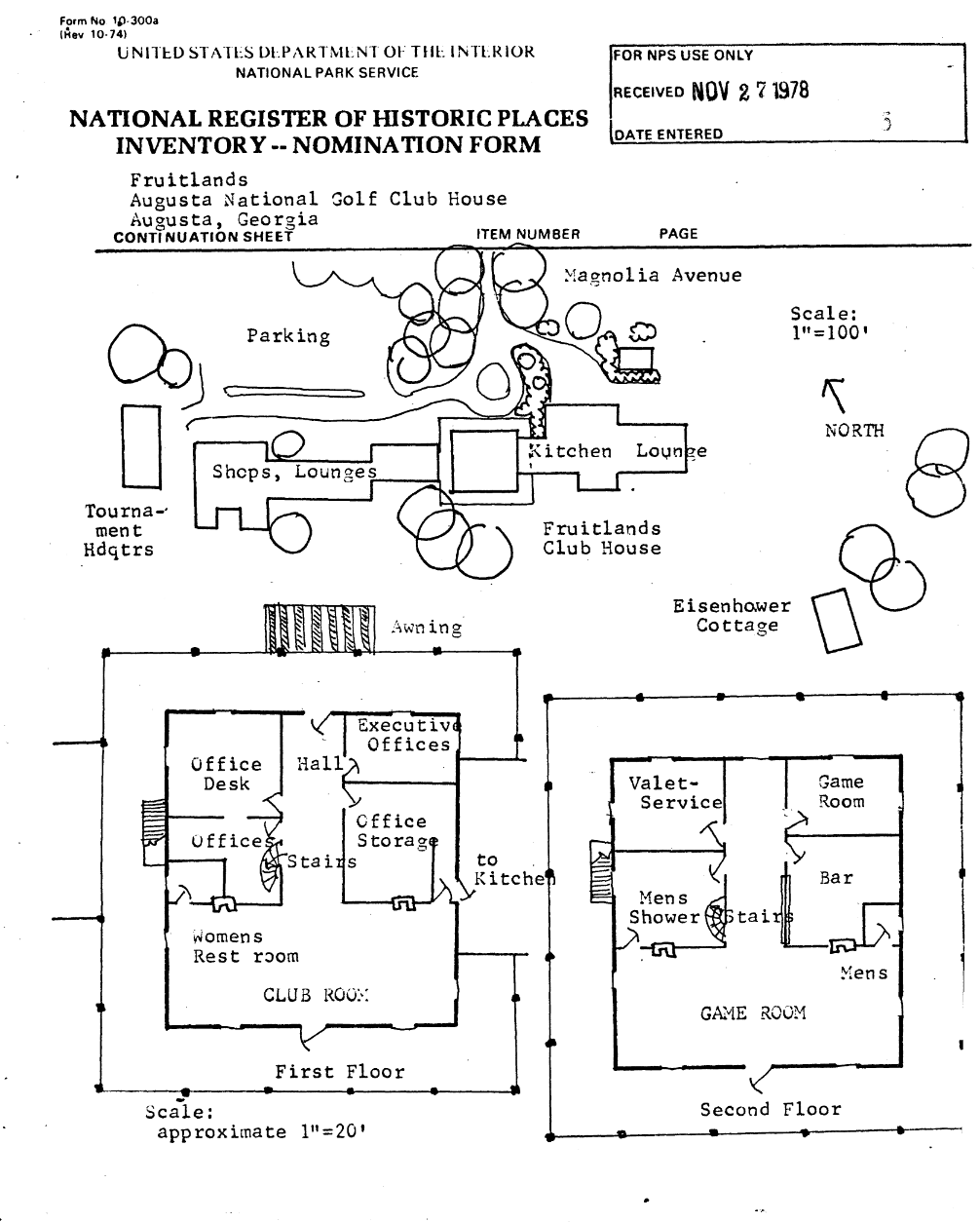
What Dennis left out of his excerpt in the book was any mention of golf. Or hosting thousands of patrons in the future. Curiously omitting the Trophy Room and the Crow's Nest, the original floorplan instead labels spaces as the fruit room, a dairy, a store-room, and an ice-house. The only intent of the Fruitland Cottage was to be just that - a simple farm house on a fruit farm.
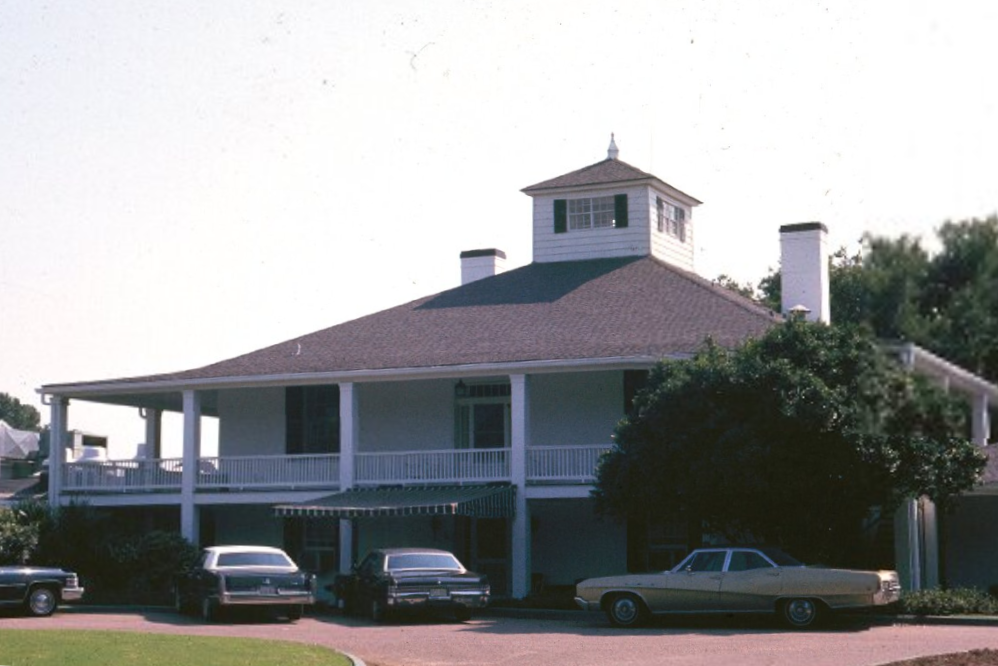
The Climate as Architect
What is undeniable is Dennis's assessment of the functional requirements of a Southern country home. Stifling heat and humidity in the Georgia climate make space, shade, and ventilation not just a necessity, but a foundation to any way of civilized living in the pre-HVAC era. Ten-foot deep verandas wrap around all sides of the home, giving ample shaded space at all times of day with exposure to any breeze. The center hallways on each floor are meant to promote circulation through the home, allowing fresh air to pass through the hallway. The 11-foot tall cupola on top of the home acts as a chimney, exhausting any rising hot air out the top of the cottage.
The building material choice was a curious one for the time. Redmond made the home out of concrete rather than wood, and even poured the walls himself, up to 18 inches thick in places. It is considered to possibly be the first concrete home in the American South. Another prioritization of function over form, the masonry construction no doubt helped cool the home, and made it so this simple cottage has withstood the elements and hundreds of thousands of visitors it has held over the course of its life.
Squat, symmetrical, and understated, the cottage was overbuilt for its original intentions, and no doubt served its humble purpose well.

J. Campoli & Sons, the premier construction firm of Northern New Jersey, specializes in crafting luxury residential and commercial properties that elevate lifestyles. Since 1946, J. Campoli & Sons has delivered quality with precision, building dream homes and commercial spaces tailored to discerning tastes. Download our free luxury home construction guide here.jcampoli.com
A Second Life
Fast-forward to 1931, and Bobby Jones and Clifford Roberts acquired the former Fruitland Farm in order to build a destination golf course for the Northeastern elite to travel to for winter golf. The pair hired local architect Willis Irvin to design the club a clubhouse in a neoclassical style, with a columned portico and whitewashed brick wings that wrapped around the end of Magnolia Lane. Their aspirations were high - the plans included a locker room containing more than 400 lockers.
The timing of their endeavor was not as cooperative as they had hoped, as the entire development of Augusta National was a debt-laden effort that required deposits from the deep pockets of future members to finance the purchase of construction materials for the golf course. The proposition of a new oversized clubhouse was put on the back burner, and eventually the choice was made to renovate the existing Fruitland Farmhouse to make it a clubhouse.
This could seem like a poor compromise, but Redmond's strong architectural principles that made the building a great farmhouse also made it a great clubhouse for the future home of the Masters Tournament. In the Augusta climate, the deep, shaded verandas became the most coveted viewing gallery in golf. The central hall became the spine connecting the Trophy Room, the Grill Room, and the main sitting room. The cupola became the Crow's Nest.
Bobby Jones didn't exactly stumble onto alchemy, however, when he decided to turn a farmhouse into a golf clubhouse. The Country Club in Brookline, Massachusetts - America's oldest golf country club - has a famous yellow clubhouse that is, like Augusta, a classic farmhouse with over a century of renovations and additions. Elsewhere in the Northeast, the original clubhouse at Baltusrol was a repurposed farmhouse that burned to the ground in 1909, leading to the design and construction of the current clubhouse.
Every April, the best golfers in the world compete for a silver replica of this building. 900 pieces of silver, made in England, modeled on a farmhouse that Dennis Redmond designed to keep his fruit cool and his halls ventilated.
In the 1850s, nobody was thinking about golf. Dennis Redmond built for peaches. Augusta National grew it into something else entirely. But good bones don't care what you call the room.
Best Clubhouse covers the architecture behind golf's most iconic buildings. Explore more clubhouse stories here. For sponsors, collaboration requests, or other inquiries, reach us at contact@bestclubhouse.com.