Oakmont Country Club
Oakmont Country Club's clubhouse was designed in 1904 by Pittsburgh architect Edward Stotz as a Scottish farmhouse in Tudor Revival style. 120 years later it still has no air conditioning in the locker room.

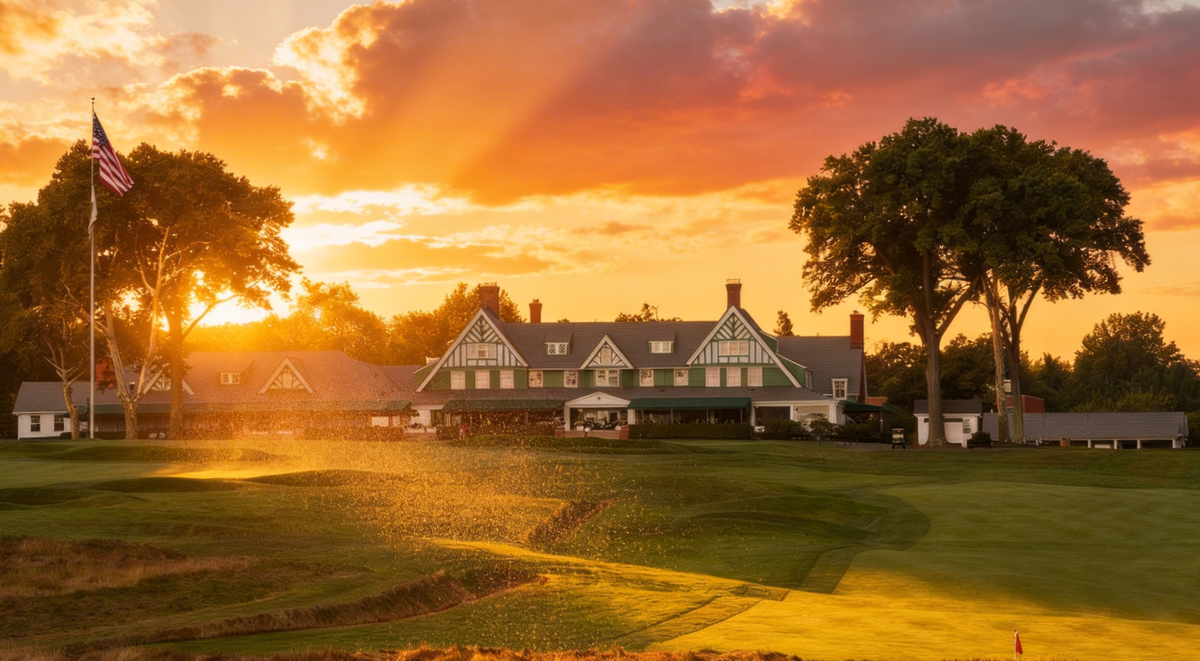
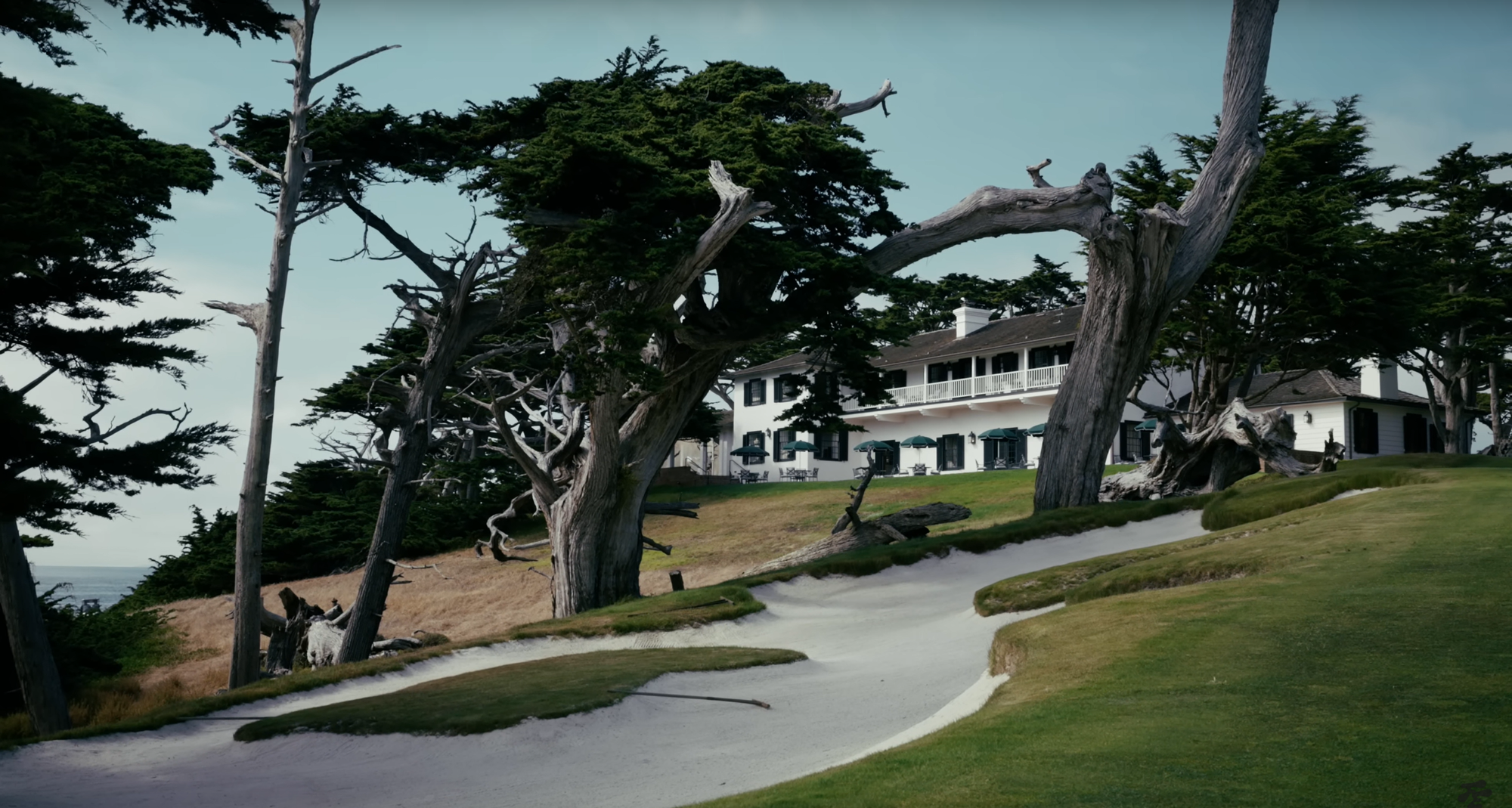
Oakmont's clubhouse was designed to look like a Scottish farmhouse. In 1904, Pittsburgh architect Edward Stotz delivered a two-story frame building with a mansard roof, flanking gables, and 175 feet of porch overlooking the course. The men's locker room still has no air conditioning. The floors and benches are the same ones Arnold Palmer, Jack Nicklaus, Bobby Jones, and Tiger Woods walked across in their spikes.
Most U.S. Open venues try to impress you with the clubhouse. Oakmont goes the other way. Henry Clay Fownes, the Pittsburgh steel man who built the golf course with 150 men and two dozen mules, wanted a building that would disappear into the farmland. He hired Edward Stotz, a young Pittsburgh architect who had already designed a house for him in Pinehurst, and told him to think Scottish countryside. Stotz delivered. The clubhouse cost $38,000 in 1904, roughly $1.4 million today, and it has been guarding the ninth green ever since.
Best Clubhouse's tour of Oakmont Country Club's clubhouse

Charles Schwab is offering new clients up to $1,000 when they open an account and transfer a qualifying amount of cash or equities. Click here to claim your new account reward!
Key Details

J. Campoli & Sons, Northern New Jersey's premier luxury general contractor, has delivered high-end residential and commercial construction in Bergen County since 1946. We have provided three generations of craftsmanship for clients who don't compromise. Learn more.
- Club: Oakmont Country Club
- Location: Plum, Pennsylvania (Pittsburgh suburbs)
- Clubhouse Architect: Edward Stotz
- Year Built: 1904
- Architectural Style: Tudor Revival
- Notable Features: Two-story frame building with mansard roof, flanking gables around a center entrance, and 175 feet of porch behind the ninth green; men's locker room floors and benches are original to 1904, still marked by the spikes of Palmer, Nicklaus, Jones, and Woods; no air conditioning in the locker room; designed to echo a Scottish farmhouse rather than a country estate, the opposite philosophy of Congressional's 1924 Spanish Revival palace and a quieter cousin of Augusta National's 1850s Georgia farmhouse
Edward Stotz was 36 when he handed Oakmont over to Henry Fownes in the summer of 1904. He would go on to design Schenley High School, Fifth Avenue High School, and a string of Pittsburgh churches and civic buildings, but the Oakmont clubhouse is the one you see on television. It has hosted ten U.S. Opens, the most of any course in the country, and is scheduled to host its eleventh in 2033 and twelfth in 2042. The building has been expanded over 120 years, but the original structure is still at the core, and the men's lockers still sit on the same wood floor that opened with the club.
View this post on Instagram
Best Clubhouse covers all things golf clubhouse architecture, golf luxury real estate, and golf development. If you're interested in having your golf club renovation, luxury listing, or architectural project featured on Best Clubhouse, see our partnerships page or reach out at contact@bestclubhouse.com.