Beaufort County Rejects Pine Island Golf Developer's Third Bid and His Settlement Offer
The Beaufort County Council voted 7-3 to keep Pine Island on St. Helena Island under the Cultural Protection Overlay and to reject a settlement from developer Elvio Tropeano. The lawsuits continue, and the developer must wait 365 days to reapply.

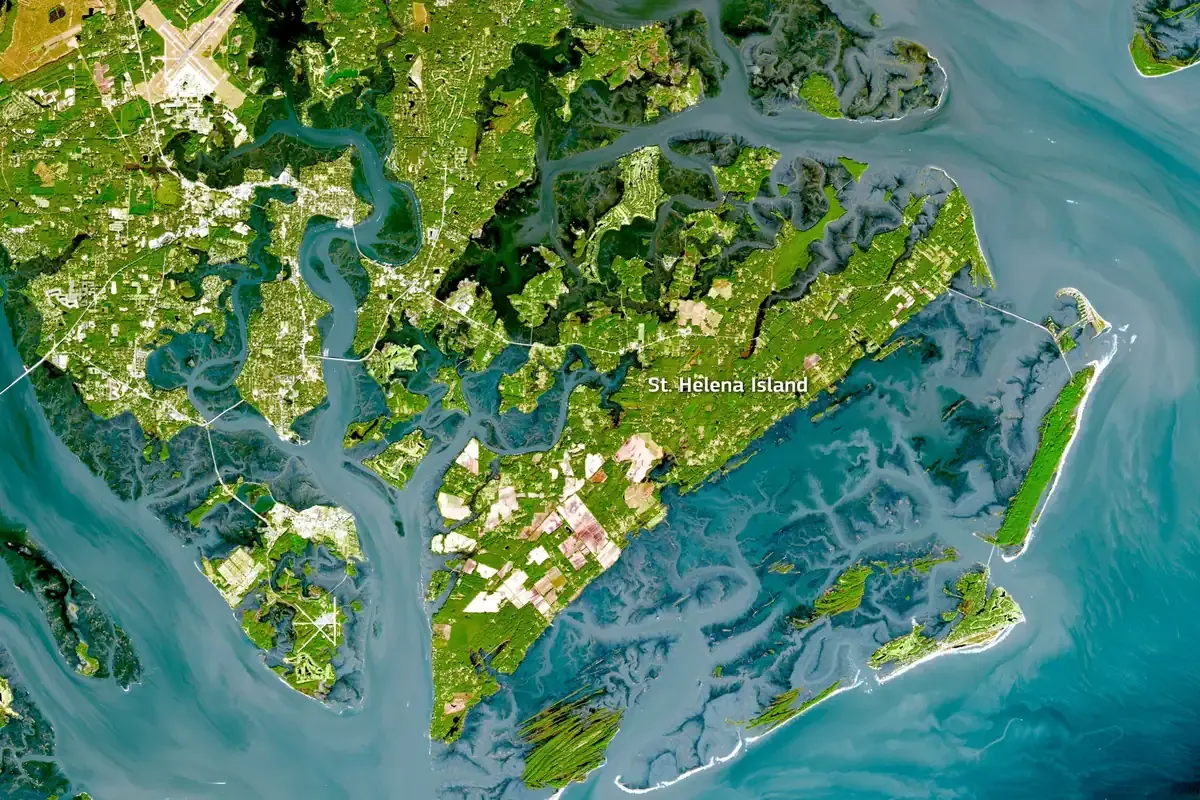
On Monday, Nov. 9, the Beaufort County Council in South Carolina voted 7-3 to deny a request from Pine Island Property Holdings LLC, developer Elvio Tropeano's company, seeking to remove its 502-acre Pine Island property on St. Helena Island from the Cultural Protection Overlay. That zoning district prohibits the golf courses the company has pursued on the land, the Island Packet reported. The property sits off Dulamo and St. Helenaville roads.
The overlay has been in place since 1999. Residential development is allowed under the rules, but golf courses, gates and resorts are prohibited. The Post and Courier called it a community-based zoning amendment. This marked the third rejection of such a request by the county since 2023, after earlier attempts that year and in 2025. According to WTOC, the company has spent the past five years trying to build a golf development on more than 500 acres that would feature three six-hole courses.

Charles Schwab is offering new clients up to $1,000 when they open an account and transfer a qualifying amount of cash or equities. Click here to claim your new account reward!
Attorney Kevin Dukes told the meeting that no specific development is being proposed now, though previous court documents had indicated a desire to build a golf course and residential development on the property, the Post and Courier reported. Representatives for the developer said they simply want the property treated like any other rural district and asked that its underlying T2 Rural zoning serve as the basis for any future development. Dukes added that the land would stay under rural zoning meant to preserve the area's character even without the overlay, and he disputed the county planning staff's claim that removing the overlay could open the door to suburban or urban development. "This shows there is a particular bias toward this particular application and this particular property," Dukes said.
Developer Elvio Tropeano outlined a proposed settlement in public at the meeting. Under the offer he would pay the county $343,619 to cover previous legal expenses from the case and contribute $3.5 million to the Beaufort-Jasper Housing Trust for workforce and affordable housing. The proposal also called for reduced housing and dock density plus installation of an advanced wastewater treatment system. Tropeano said he would drop the pending litigation if the county advanced the application.
Nearly 30 people had signed up to speak during the nearly six-hour meeting, the Post and Courier reported. Jessie White of the South Carolina Environmental Law Project, speaking on behalf of the Gullah/Geechee Sea Island Coalition, said the developers knew the overlay's restrictions when they purchased the property. "Simply put, the developers don't like the rules and are now using money, threats and litigation pressure to avoid the rules that every other property owner has to abide by," she said. Keith Ellis, a St. Helena Island resident, said, "It's the same argument being made time and time again." Opponents contend that an exception for this project could set a precedent weakening the overlay, which residents and conservation leaders say was established to prevent the displacement of native Gullah/Geechee communities, the Island Packet reported.
The council also voted 7-3 to reject the settlement, which means the litigation will continue. Councilman Logan Cunningham predicted the rejection could mean millions of dollars in additional legal expenses, according to the Island Packet. WSAV reported that three active court cases involve the county, and Cunningham told the station, "My understanding, those can take up to 3 to 5 years."

J. Campoli & Sons, Northern New Jersey's premier luxury general contractor, has delivered high-end residential and commercial construction in Bergen County since 1946. We have provided three generations of craftsmanship for clients who don't compromise. Learn more.
Following the denial, the developer must wait 365 days before submitting another rezoning request, WTOC reported. For Pine Island the decision leaves the overlay in place, requires the developer to wait a year before reapplying, and allows the lawsuits to continue in court.

Best Clubhouse covers all things golf clubhouse architecture, golf luxury real estate, and golf development. If you're interested in having your golf club renovation, luxury listing, or architectural project featured on Best Clubhouse, see our partnerships page or reach out at contact@bestclubhouse.com.